




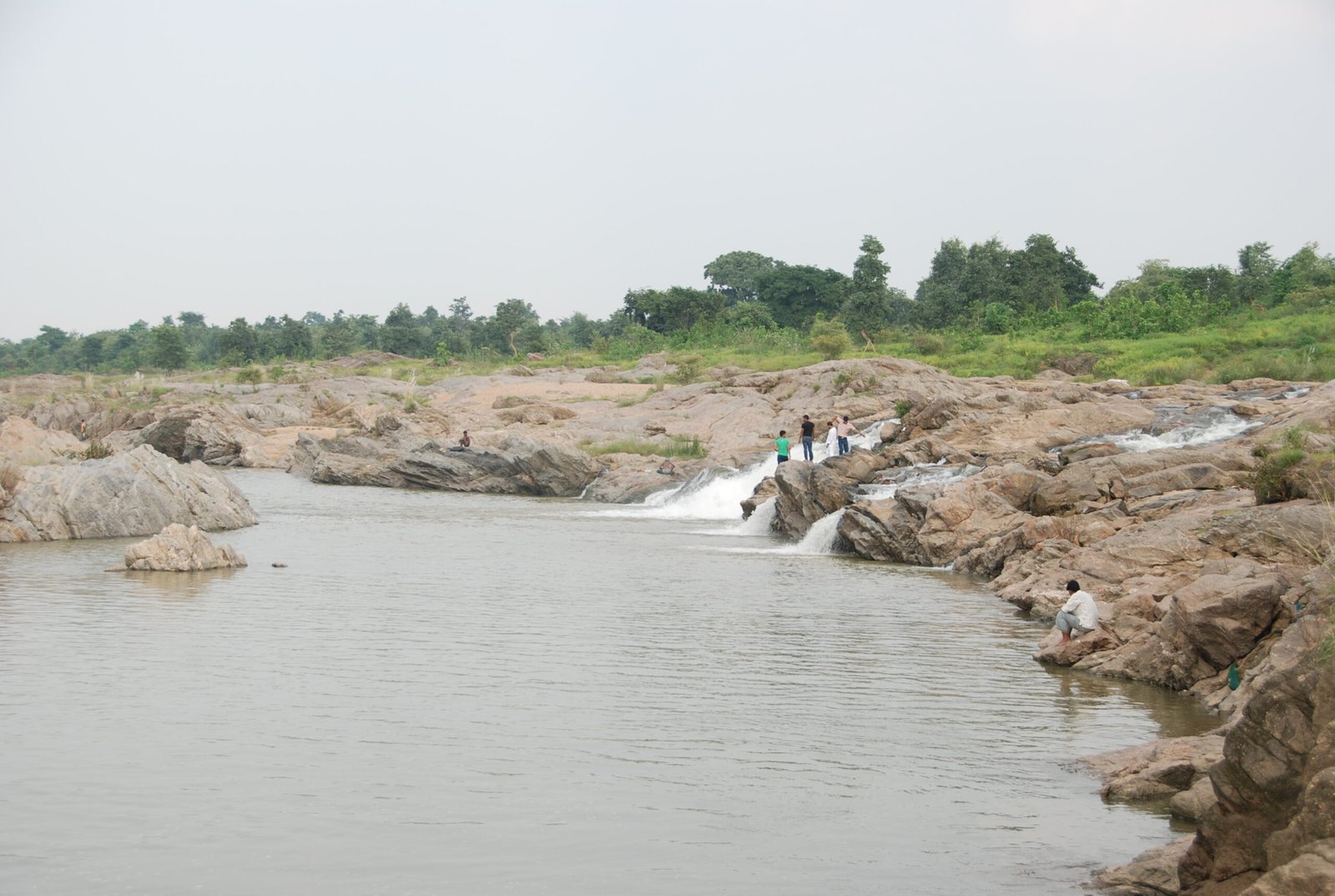
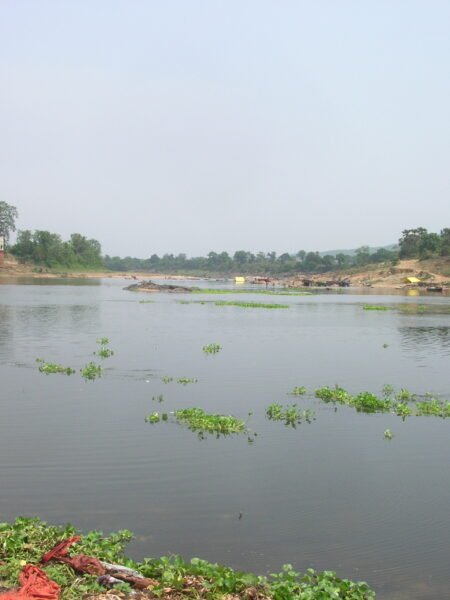
The Subernarekha River, literally meaning the “Line of Gold,” is one of the most important rivers of Jharkhand. It originates at Rani Chuan in Nagri Block, approximately 15 km southwest of Ranchi, the capital of Jharkhand. The river flows for nearly 395 km, of which about 269 km lies within Jharkhand, before entering West Bengal and eventually merging with the Bay of Bengal.
A large number of industries, including heavy industries, have developed along the banks of the Subernarekha. Major urban centres such as Ranchi and Jamshedpur, along with several industrial estates and urban settlements, have flourished around the river. However, rapid urbanisation, untreated civic waste and industrial effluents have placed immense pressure on the river, threatening its water quality, aquatic biodiversity and the health and well-being of communities dependent on it.
Subernarekha Pradushan Mukti Abhiyan
Recognising the growing threat of pollution, Yugantar Bharati initiated the “Subernarekha Pradushan Mukti Abhiyan” to study the river’s condition, create public awareness and promote measures to protect and restore the river.
A study-cum-awareness expedition was organised from the origin of the Subernarekha to its final point in Jharkhand before it continued towards the sea. The journey began on 3 June 2006 and concluded on 5 June 2006, on the occasion of World Environment Day.
The campaign culminated in a seminar at the Jamshedpur Chamber of Commerce and Industries Hall, where the findings and experiences of the Subernarekha study-cum-awareness journey were shared with citizens, environmentalists and other stakeholders.
Scientific Study and Environmental Assessment
The expedition was accompanied by a team of qualified scientists and environmental experts of national and international repute, including:
- Prof. R. K. Sinha, widely known as the “Dolphin Man”
- Dr. Gopal Sharma, Regional In-charge, Zoological Survey of India (ZSI), Government of India
- Prof. M. K. Jamuar, Department of Environment, Ranchi University
- Dr. K. K. Sharma, Head of the Department of Zoology, Cooperative College, Jamshedpur
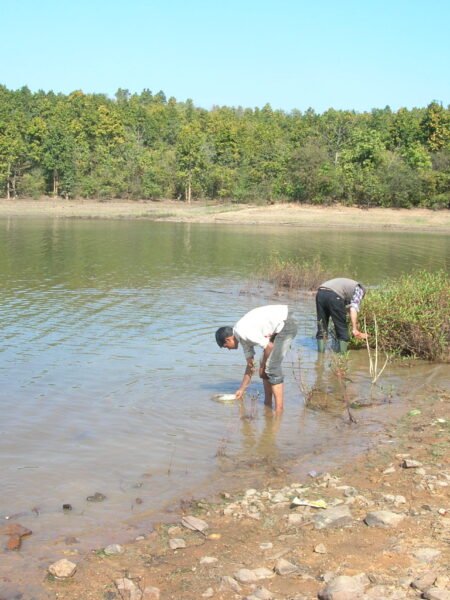
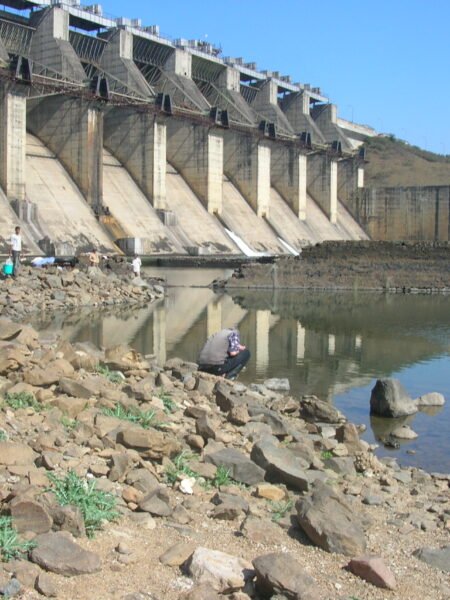
A mobile environmental laboratory also accompanied the expedition. The scientific team collected and tested water samples at important locations along the river to assess the impact of civic and industrial pollution.
Samples of water, sediments, aquatic flora and fauna were collected from different locations. These samples were subsequently analysed in qualified laboratories under the initiative of Yugantar Bharati. Based on the findings, experts assessed various forms of pollution, including the presence of heavy elements and hazardous wastes.
Continuous Monitoring of the Subernarekha
Since the launch of the campaign, Yugantar Bharati has continued its environmental monitoring efforts. Every year, samples of water, sediment, aquatic flora and fauna are collected from identified locations along the Subernarekha and scientifically analysed through the environmental analytical laboratory operated by Yugantar Bharati under the School of Ecology and Environmental Management (SEEM).
The results of these studies are shared with concerned government departments and other relevant institutions to encourage timely action and environmental protection.
Yugantar Bharati also intervenes whenever information is received regarding the illegal discharge of industrial effluents into the river, seeking to ensure compliance with environmental regulations and protect the ecological health of the Subernarekha.
A Continuing Mission
The Subernarekha Pradushan Mukti Abhiyan represents a sustained effort to understand, monitor and address the threats facing one of Jharkhand’s most important rivers. Through scientific research, public awareness, environmental monitoring and engagement with government institutions, the initiative continues to work towards a cleaner, healthier and pollution-free Subernarekha.
Protect the River. Protect Biodiversity. Protect Our Futur

Ashish Munda
Working for the development of Ranchi and the progress of every citizen through transparent leadership, inclusive growth, and dedicated public service.